
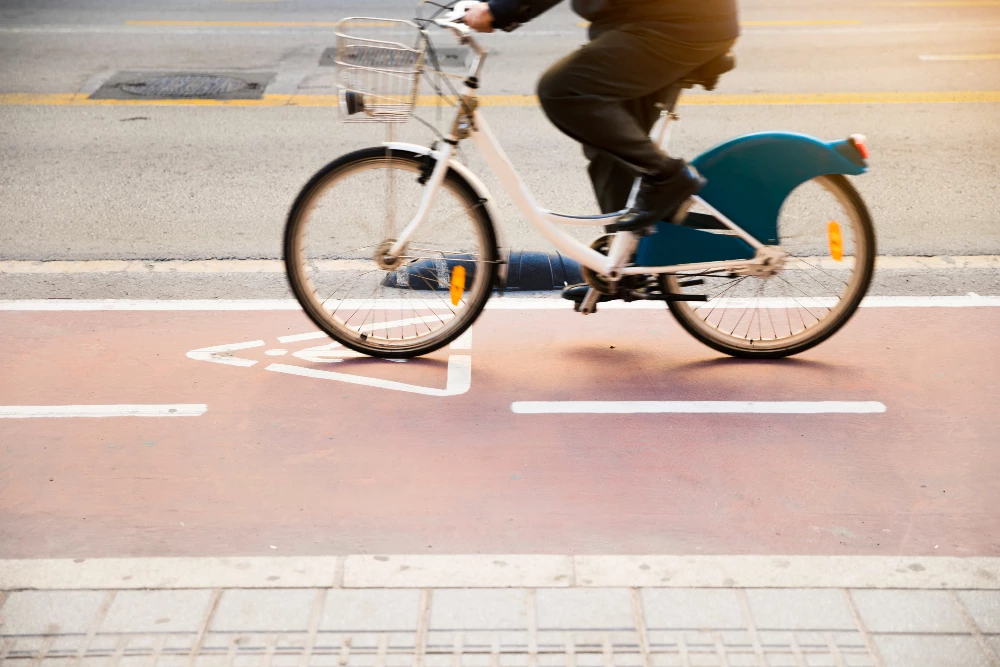
Cycle Lane Markings in East Sussex
Contact UsAt AM Surfaces, we specialise in high-quality cycle lane markings and the surrounding East Sussex TN40 9 area. Our markings provide a durable and visible pathway for cyclists, promoting safety and efficiency on the roads.
We use industry-standard thermoplastic materials and advanced equipment to ensure precision and longevity. Our services cater to local councils, transport planners, and private developers looking to improve cyclist safety and traffic organisation.
Contact us today to discuss your cycle lane marking needs in East Sussex.
What Is Cycle Lane Markings?
Cycle lane markings are essential road indicators that designate specific paths for cyclists. At AM Surfaces, we apply these markings with precision using high-durability thermoplastic materials, known for their reflective properties and resistance to fading.
In East Sussex, cycle lanes help reduce traffic conflicts and accidents, providing cyclists with a clear, dedicated space to travel. Our process involves using specialised road marking equipment, ensuring the markings are applied with consistent thickness and width, typically adhering to the standards set by the Department for Transport.
We can apply markings on different types of pavements, including asphalt and concrete, ensuring strong adhesion and excellent visibility even in adverse weather. By ensuring these lanes are clearly defined, we contribute to a safer and more efficient transportation infrastructure.
For more information on our services, feel free to contact us directly.
What Types of Cycle Lane Markings Are Available in East Sussex?
We offer a range of cycle lane markings in East Sussex to meet different needs and standards. Each type of marking has specific applications and benefits, allowing us to cater to various urban and rural environments.
Thermoplastic Markings: Durable and highly visible, these are suitable for high-traffic areas. They often contain anti-skid elements to enhance cyclist safety and comply with BS EN 1436 standards for visibility and reflection.
Preformed Road Markings: These are ideal for custom shapes and symbols to meet particular regulatory requirements or branding needs. Made from durable materials, they are perfect for complex junctions.
Painted Lines and Symbols: Cost-effective solutions for quieter roads. These can be applied rapidly using an airless spray technique and offer flexibility in terms of maintenance.
Reflective Markings: Enhanced visibility at night or in poor weather conditions. We apply these markings using microglass beads to reflect car headlights, increasing their effectiveness in low-light situations.
Choose the right type for your project by considering local traffic and usage patterns. Contact us for expert advice.
What Roads Are Suitable for Cycle Lane Markings?
Cycle lane markings are suitable for a variety of roads, including urban streets, rural roads, and highways. At AM Surfaces, we typically apply these markings on roads that experience high volumes of cyclist traffic, such as those near schools, parks, and major public transport hubs.
We use durable materials like thermoplastic or hydrocarbon resin, which are long-lasting and visible in various weather conditions. The markings are also effective in areas where cyclist safety is a concern, such as intersections and busy city centres where bike boxes and advanced stop lines can be incorporated for additional safety.
However, roads with frequent heavy vehicle use or inadequate width may not be suitable, as they might not meet the necessary guidelines for minimum width and separation. Consulting local transport regulations can help determine the appropriateness of cycle lane implementation.
If you are interested in enhancing the safety and accessibility of your roads for cyclists, contact us to discuss your specific needs.
When Is Cycle Lane Markings Needed in East Sussex?
Cycle lane markings are needed whenever there is a requirement to clearly define a safe space for cyclists. This includes new road developments, upgrades to existing roads, or areas with high cyclist traffic in East Sussex.
Specific scenarios include urban areas with complex traffic patterns where dedicated lanes can prevent accidents. For neighbourhoods near schools or business districts, these markings help minimise conflicts between vehicles and bicycles during rush hours.
Applying lane markings also involves adherence to standards such as the Traffic Signs Regulations and General Directions, which guide the dimensions and placement of the markings. At night or during poor weather conditions, retroreflective materials are essential to ensure visibility and safety.
When concerns about cycle safety or traffic congestion arise, markings help mitigate these issues by enhancing clarity and organisation on the roads. Contact us for a full site assessment.
How Does Cycle Lane Markings Work?
Applying cycle lane markings is a precise process aimed at enhancing safety and flow for cyclists:
Surface Assessment: Evaluate the road surface condition, assessing for smoothness and identifying any damage that may hinder application. This step sometimes includes inspecting for compliance with local regulations and standards like the Traffic Signs Regulations and General Directions (TSRGD).
Site Preparation: Clean the surface of debris, oils, and dust to ensure strong material bonding. Priming is sometimes necessary for older or porous surfaces to enhance the adhesion of materials.
Material Application: Use thermoplastic materials known for durability and skid resistance. These materials often meet the BS EN 1436 standards, which specify the performance and visibility requirements for road markings.
Curing: Allow sufficient time, often around two to three hours, for the materials to set, ensuring optimal adhesion, durability, and visibility.
Cycle lane markings are essential to defining bike lanes clearly, improving visibility, and minimising accidents. Contact AM Surfaces for detailed guidance on implementing cycle lane markings.
How Long Does Cycle Lane Markings Take?
Cycle lane markings typically take between one to two days to complete in East Sussex, depending on the project's size and complexity. We use durable materials such as thermoplastic or cold applied plastic, which are selected based on traffic intensity and environmental factors.
Once applied, materials usually require an additional day to fully cure and achieve optimal visibility. For more complex installations involving multiple lanes or bespoke symbols, timescales may extend accordingly.
In such cases, we may employ specialised equipment to handle intricate designs or incorporate skid-resistant properties to enhance safety. The climate and surface condition also influence drying times and may necessitate traffic management to minimise disruption.
Who Needs Cycle Lane Markings in East Sussex?
Cycle lane markings are essential for local councils, transport authorities, urban developers, and road contractors in East Sussex. These markings help delineate safe spaces for cyclists, reduce road congestion, and enhance the overall flow of traffic.
For councils and transport authorities, deploying bike symbols and directional arrows in these lanes can align with broader sustainable transport policies while adhering to government standards like TSRGD (Traffic Signs Regulations and General Directions). Urban developers may find that integrating cycle lane markings into their planning not only supports community well-being but also meets inclusivity criteria set by cycling strategy initiatives.
Road contractors working on new builds or refurbishments will appreciate how our thermoplastic materials offer durability against weather changes, reducing maintenance costs over time. For any project aimed at improving cyclist safety or managing road traffic, accurate and resilient markings are critical.
Contact us to discuss your requirements and get tailored advice.
How Much Does Cycle Lane Markings Cost in East Sussex?
Cycle lane markings cost around £8 to £15 per linear metre in East Sussex, depending on the materials and complexity. Painting standard lines is from the lower end, while thermoplastic markings and custom symbols tend to be at the higher end.
Thermoplastic is favoured for its durability and reflective properties, making it visible during low-light conditions, which can be beneficial for cyclist safety. We also offer the application of epoxy resin for increased longevity, particularly on high-traffic roads.
Prices may vary based on road conditions and project scope, as well as specific requirements like anti-skid surfaces that enhance safety in wet weather. If the project involves busy urban areas, we may suggest specific scheduling to minimise disruption, typically planning work during off-peak hours.
For an accurate quote and tailored advice on the best markings for your requirements, contact us today.
What Are the Benefits of Cycle Lane Markings in East Sussex?
Cycle lane markings offer several benefits in East Sussex:
Enhanced Cyclist Safety: Designated lanes reduce traffic conflicts by clearly separating cyclists from motor vehicles, minimising the risk of accidents at intersections and busy roads. Techniques such as colour-coded paths and dashed lane markings further highlight cycling zones, making it easier for all road users to navigate safely.
Traffic Organisation: Clear markings guide both cyclists and motorists and help manage traffic flow. By providing defined cycling paths, they encourage smoother transitions at junctions and prevent congestion.
Increased Visibility: Reflective options improve night-time navigation by enhancing the visibility of cycle lanes under low-light conditions. Using reflective paint or thermoplastic materials, cycle lanes are easily identifiable in all weather conditions, ensuring that cyclists can be seen.
Durability: Long-lasting materials withstand traffic and weather and are crucial for maintaining lane integrity. Options like epoxy resin or hard-wearing thermoplastics are resistant to wear and tear, offering a reliable solution for urban environments that experience heavy usage.
These benefits collectively promote safer and more efficient transportation infrastructure in East Sussex.
Why Choose AM Surfaces for Cycle Lane Markings in East Sussex?
At AM Surfaces, we pride ourselves on delivering precise cycle lane markings in East Sussex, meeting both safety and regulatory standards. Our experienced team uses high-grade thermoplastic materials, which provide excellent durability and visibility under various weather conditions.
We employ techniques such as hot-applied thermoplastics and preformed thermoplastic symbols and lines for long-lasting results. Our team follows the latest Department for Transport (DfT) guidelines for cycle infrastructure, ensuring that each marking contributes to a safer cycling environment.
Whether for urban planning or road upgrade projects, our markings are tailored to enhance cyclist safety and improve traffic flow by clearly delineating cycle paths. We serve a diverse range of clients, including local authorities, private developers, and infrastructure agencies.
Our efficient process ensures minimal disruption, with most projects completed in one to two days. Contact us for a consultation.
Frequently Asked Questions
What factors can affect the timeline for marking applications?
Project size, surface preparation, and weather conditions can influence the time required to apply and cure the markings in East Sussex. We aim for efficiency in all our projects.
Can cycle lane markings be applied in poor weather?
We recommend applying cycle lane markings in dry conditions to ensure adhesion and longevity. Moist or extreme weather in East Sussex can delay the process until ideal conditions are met.
What is the lifespan of cycle lane markings?
With proper materials and conditions, cycle lane markings can last several years in East Sussex, requiring only occasional maintenance for optimal performance.
Get a Free Quote for Cycle Lane Markings in East Sussex
Enhance safety and traffic flow with our professional cycle lane markings. Contact AM Surfaces today for a consultation.
We cover East Sussex